How does an AI receptionist work?
A step-by-step look at what happens between the moment your phone rings and the moment the caller gets an answer.
Ella by Telappliant
Author
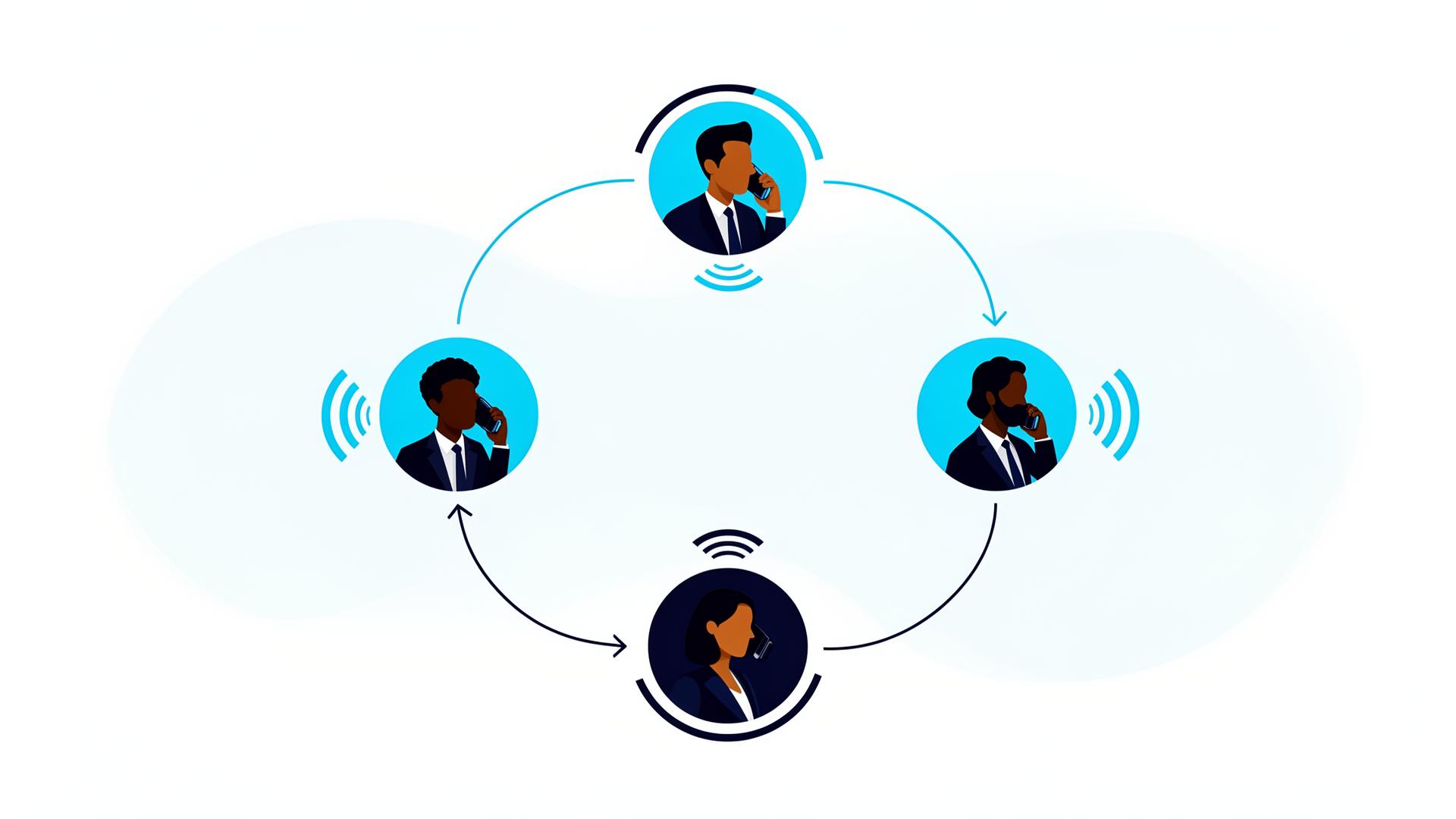
An AI receptionist sounds simple from the caller's side: the phone is answered, a friendly voice asks how it can help, and the query is resolved. Under the hood, four things happen in fast sequence, all in under a second per turn.
Step 1: The call is picked up
Your phone number is routed to the AI receptionist over standard SIP or via a managed business phone integration. There is no extra hardware to install. As soon as the call connects, the assistant plays your branded greeting and starts listening.
Step 2: Speech is converted to text in real time
As the caller speaks, a speech recognition model transcribes their words into text on the fly. Modern systems handle UK regional accents, background noise and natural pauses. This is the same family of technology that powers live captions, tuned for phone-quality audio.
Step 3: The caller's intent is understood
The transcribed text is sent to a large language model that has been briefed with your business context: your services, your booking rules, your tone of voice, and the knowledge base you have given it. The model works out what the caller actually wants, even if they phrase it casually or jump between topics.
- "Are you open Sunday?" (resolved against opening hours)
- "Can I book a boiler service for next week?": routed to booking
- "I need to speak to someone about my invoice" (routed to accounts)
- "Hi, I left my bag in your restaurant last night": message taken for the manager
Step 4: A response is generated and spoken back
Once the assistant has decided what to do, it generates a short, natural reply and a text-to-speech engine turns it into a calm, human-like voice. If the caller's request needs a human, the assistant warm-transfers the call to the right person along with a short summary of what the caller said.
What happens after the call
- A clean transcript and summary are saved
- Any message is emailed to your team or pushed into your CRM
- Bookings appear in your calendar or scheduling tool
- You can review every call, listen back, and refine answers
Why latency matters
Phone conversations feel awkward if there is a delay between turns. A good AI receptionist responds in roughly 200 to 400 milliseconds: faster than most humans. Ella is designed to keep pauses short so the call feels like a normal conversation, not a clunky bot.
Data protection questions to ask
Before choosing an AI receptionist, ask which service providers process voice calls and host the dashboard, who can access recordings and transcripts, and how long they are retained. Review the data processing agreement and any international processing arrangements. Our team can discuss these requirements for your Ella deployment.
See it in action
The clearest way to understand how an AI receptionist works is to hear one. Book a 30-minute demo and we will configure Ella for your business so you can call in and try it yourself.
See Ella answer calls for your business
Listen to sample calls for six industries, then arrange a short demo with our UK team to talk through your own calls.